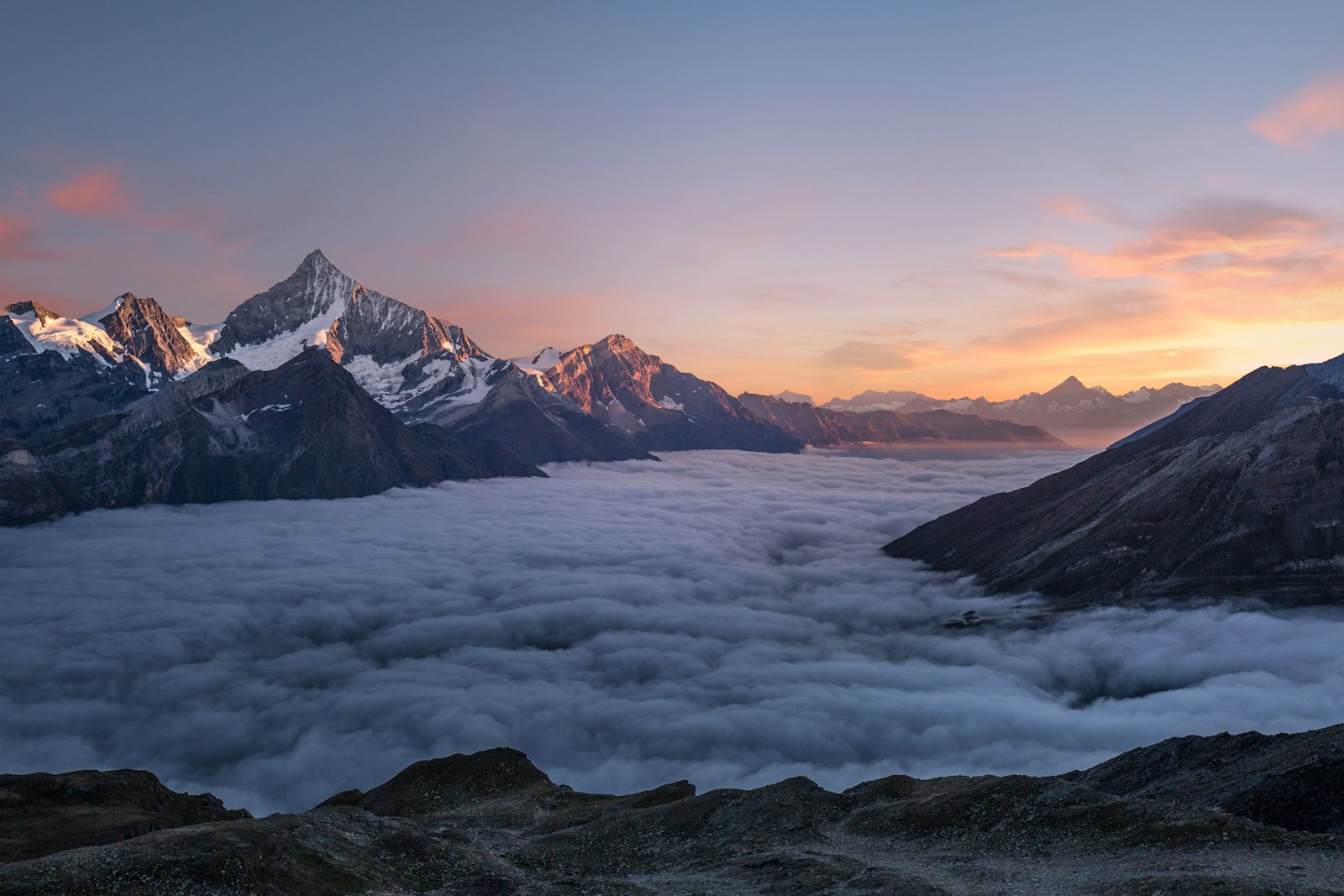
Every traveler wants to capture the magic of their adventures, but the difference between a snapshot and a stunning photograph lies in understanding a few key principles. Whether you're using a smartphone or a professional camera, these tips will transform your travel photography in 2025.
Understanding Light: The Foundation of Great Photos
Golden Hour Magic
The hour after sunrise and before sunset provides the most flattering light:
- Soft, warm tones that enhance any subject
- Long shadows that add depth and drama
- Perfect for portraits and landscapes
- Set alarms to catch these magical moments
Blue Hour Beauty
The 20-30 minutes after sunset offer unique opportunities:
- Deep blue skies with city lights beginning to glow
- Perfect balance between ambient and artificial light
- Ideal for architectural photography
- Creates moody, atmospheric images
Composition Techniques That Work
Rule of Thirds
Imagine your frame divided into nine equal sections:
- Place subjects along the lines or at intersections
- Position horizons on upper or lower third line
- Creates more dynamic, balanced images
- Most cameras have grid overlays to help
Leading Lines
Use natural lines to guide the viewer's eye:
- Roads, rivers, and railways
- Architecture and shadows
- Shorelines and mountain ridges
- Creates depth and draws attention to your subject
Framing Your Subject
Use natural frames to add depth:
- Archways and doorways
- Tree branches and foliage
- Windows and tunnels
- Adds context and creates layers in your image
"The best camera is the one you have with you. Master the basics, and you can create stunning images with any device." – National Geographic Photographer
Capturing People and Culture
Street Photography Ethics
Respecting subjects while capturing authentic moments:
- Learn local photography laws and customs
- Ask permission when appropriate
- Be discrete but not deceptive
- Share photos with subjects when possible
Environmental Portraits
Tell stories through context:
- Include surroundings that reveal character
- Capture people in their element
- Use wide apertures to blur distracting backgrounds
- Wait for natural expressions and gestures
Landscape Photography Mastery
Foreground, Middle Ground, Background
Create depth in landscape shots:
- Include interesting foreground elements
- Use middle ground to lead the eye
- Ensure background complements the scene
- Stack focus for ultimate sharpness
Weather as Your Friend
Don't hide from "bad" weather:
- Storms create drama and unique light
- Fog adds mystery and isolates subjects
- Rain creates reflections and saturated colors
- Clouds add texture to bland skies
Smartphone Photography Tips
Maximize Your Phone's Potential
Modern smartphones are incredibly capable:
- Clean your lens regularly (makes a huge difference)
- Use HDR mode for high-contrast scenes
- Tap to focus and adjust exposure
- Use portrait mode thoughtfully
- Shoot in RAW when available
Essential Apps
- Snapseed: Professional editing on the go
- VSCO: Beautiful filters and editing tools
- Sun Surveyor: Plan shots around golden hour
- PhotoPills: Calculate sun, moon, and Milky Way positions
Camera Settings Demystified
The Exposure Triangle
Understanding the relationship between:
- Aperture: Controls depth of field (blur)
- Shutter Speed: Freezes or shows motion
- ISO: Sensor sensitivity (affects grain)
Practical Settings for Common Scenes
Landscapes:
- Small aperture (f/8-f/11) for sharpness throughout
- Low ISO (100-400) for minimal noise
- Tripod for stability
Street Photography:
- Fast shutter speed (1/250s or faster)
- Moderate aperture (f/5.6-f/8)
- Auto ISO with maximum set
Portraits:
- Wide aperture (f/1.4-f/2.8) for background blur
- Focus on the eyes
- Consider fill flash in harsh light
Night Photography Techniques
Cityscapes After Dark
Capture urban energy:
- Use a tripod for sharp images
- Shoot during blue hour for best results
- Include light trails from traffic
- Bracket exposures for HDR if needed
Starry Skies
Document the cosmos:
- Find dark sky locations away from cities
- Use wide aperture and high ISO
- 500 rule: Maximum shutter speed = 500 ÷ focal length
- Focus manually on infinity
Telling Stories Through Photos
Creating Photo Essays
Document your journey comprehensively:
- Establishing shots to set the scene
- Detail shots for texture and interest
- Portraits to humanize the story
- Action shots to show life and movement
- Closing shots to complete the narrative
Capturing Details
The small things matter:
- Local food and drinks
- Textures and patterns
- Signs and typography
- Hands and feet
- Local transportation
Editing: Bringing Your Vision to Life
Basic Adjustments That Matter
Start with these fundamental edits:
- Straighten and crop for better composition
- Adjust exposure and highlights
- Enhance shadows without losing detail
- Boost vibrance (more subtle than saturation)
- Add clarity carefully (easy to overdo)
Maintaining Authenticity
Enhance, don't fabricate:
- Keep edits natural and believable
- Maintain consistent style throughout a series
- Preserve the mood of the original scene
- Don't over-process skin tones
Gear Recommendations for 2025
For Beginners
- Your smartphone (seriously!)
- Compact camera with good zoom
- Basic tripod
- Lens cleaning cloth
For Enthusiasts
- Mirrorless camera with kit lens
- One prime lens (35mm or 50mm)
- Travel tripod
- Extra batteries and memory cards
- Protective camera bag
For Serious Photographers
- Full-frame camera body
- Versatile zoom lens (24-70mm)
- Wide-angle lens for landscapes
- Lightweight carbon fiber tripod
- Filters (polarizing, ND)
Protecting Your Gear While Traveling
Keep your equipment safe:
- Use weather-sealed gear when possible
- Carry silica gel packets for humidity
- Never leave gear unattended
- Consider equipment insurance
- Back up photos daily to cloud storage
Sharing Your Travel Photos
Social Media Best Practices
- Post at optimal times for engagement
- Use relevant hashtags (research popular ones)
- Tell stories in captions
- Engage with other photographers
- Credit locations to help fellow travelers
Creating Photo Books
Preserve memories tangibly:
- Curate your best images ruthlessly
- Arrange chronologically or thematically
- Include captions and stories
- Choose quality printing services
- Make copies for travel companions
Common Mistakes to Avoid
Learn from others' errors:
- Taking photos only at eye level
- Ignoring the background
- Over-editing images
- Not backing up photos
- Forgetting to experience moments without the camera
Photography Etiquette Around the World
Respect local customs:
- Research photography restrictions at religious sites
- Ask permission for portraits
- Don't use flash in museums without permission
- Respect "no photography" signs
- Be mindful of privacy in different cultures
Your Photography Journey Starts Now
Travel photography is about more than technical perfection – it's about capturing the feeling of a place and the emotions of your journey. With these techniques and consistent practice, you'll return home with images that truly tell the story of your adventures.
Ready to put your photography skills to use? Plan your next photogenic adventure with Niguly, and we'll help you discover the most Instagram-worthy destinations within your budget. Your visual storytelling journey awaits!